
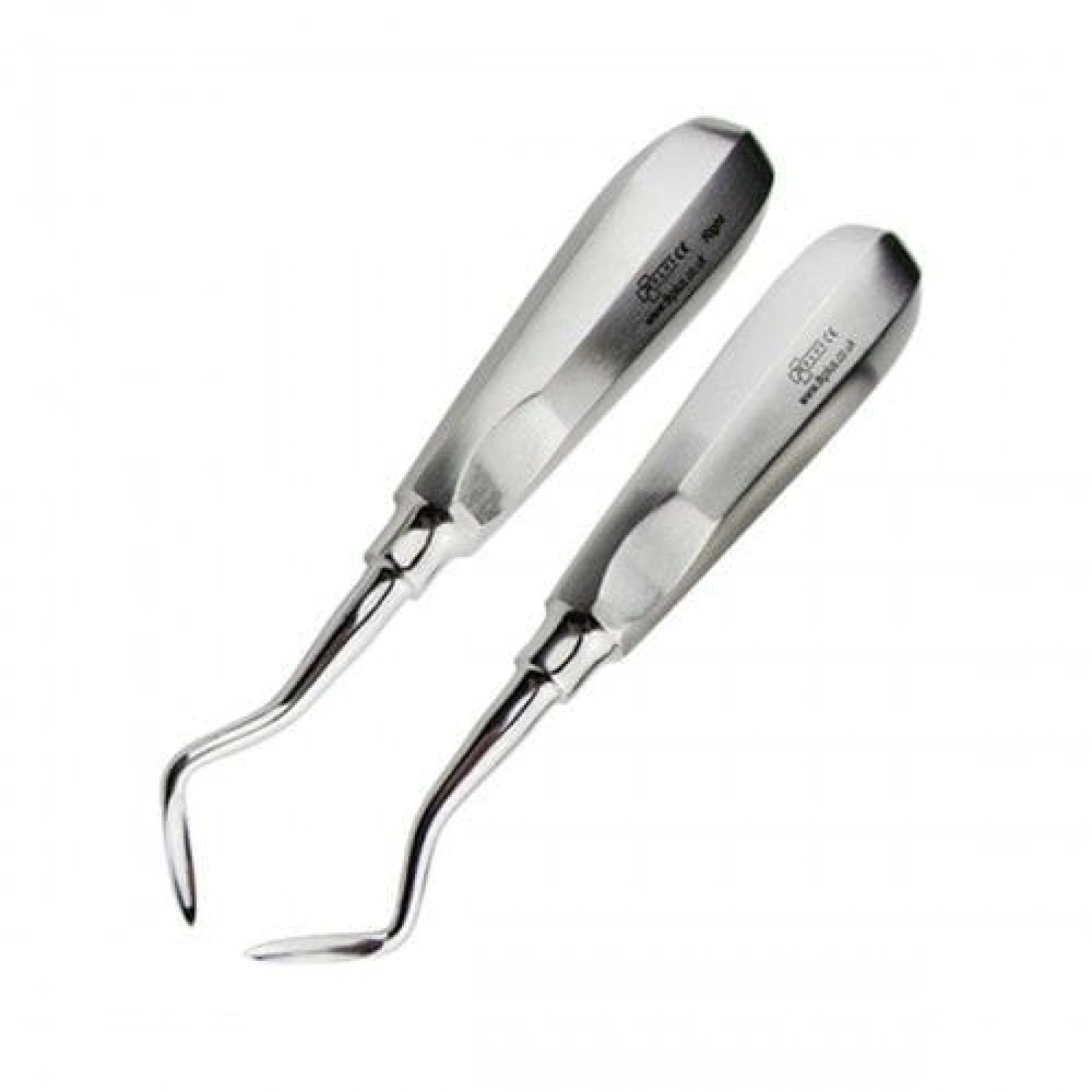
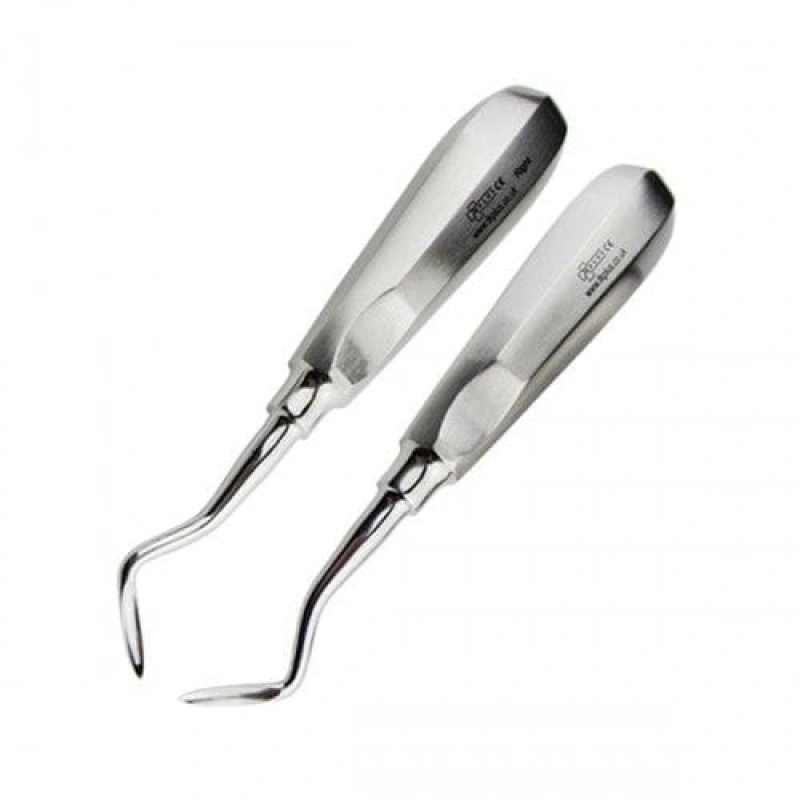
DENTAL ROOT TIP ELEVATOR (L) (R)
Description
Dental Root Elevator Overview
Dental root elevators are specialized surgical instruments designed to loosen teeth, elevate retained root fragments, and expand the alveolar bone socket prior to using extraction forceps. By leveraging mechanical principles—primarily the lever, wedge, and wheel-and-axle mechanisms—they minimize surgical trauma and preserve adjacent tissues.
Common Types & Designs
Straight Elevators (e.g., Apexo, Coupland): Feature a straight blade aligned with the handle. Designed primarily to wedge between the tooth root and alveolar bone wall to luxate the tooth.
Cryer Elevators (Paired Left & Right): Equipped with sharp, triangular blades set at approximately 90° angles to the shank. Utilizes a wheel-and-axle rotation to lift broken root tips or posterior molar roots out of the socket.
Curved Elevators: Feature slightly offset or curved tips to provide better access to posterior teeth or hard-to-reach angles.
Apical / Root Tip Pick Elevators: Fitted with fine, delicate tips specifically intended to tease out small, fractured root fragments from deep within the socket.
Key Technical Features
Working Tip: Designed with varying blade angles, cross-sections (flat, concave, triangular), and widths to adapt to specific root anatomies.
Shank: Connects the blade to the handle, angled to provide optimal leverage and visibility during extraction.
Handle: Typically stainless steel, lightweight, and textured with cross-hatching or grooves to ensure a secure, non-slip grip under wet conditions.
Material & Sterilization: Made from high-grade, corrosion-resistant surgical stainless steel suitable for repeated standard autoclave sterilization.
Related Product
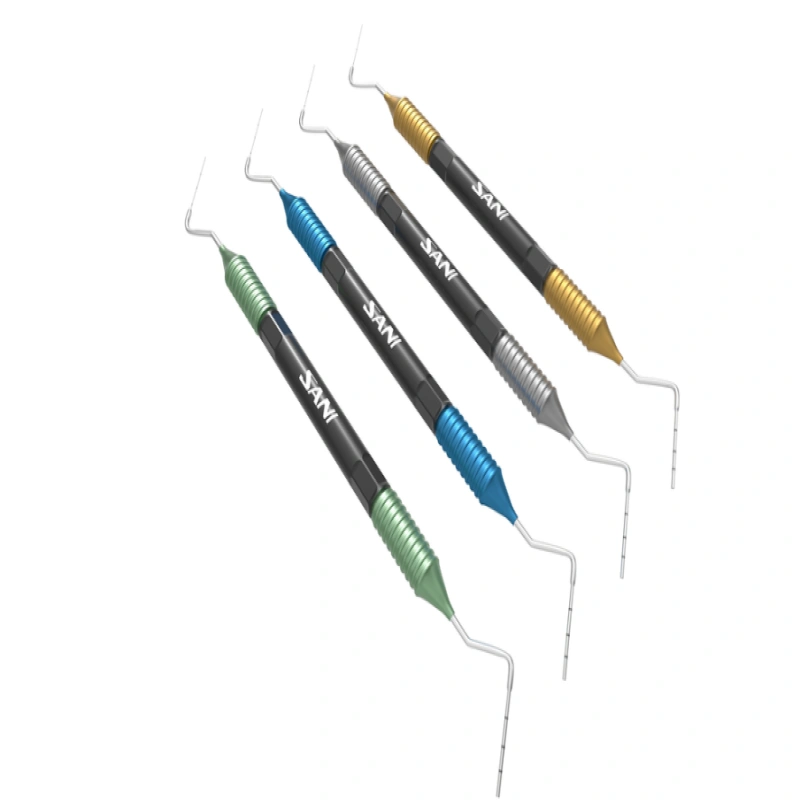
Sani Condensor
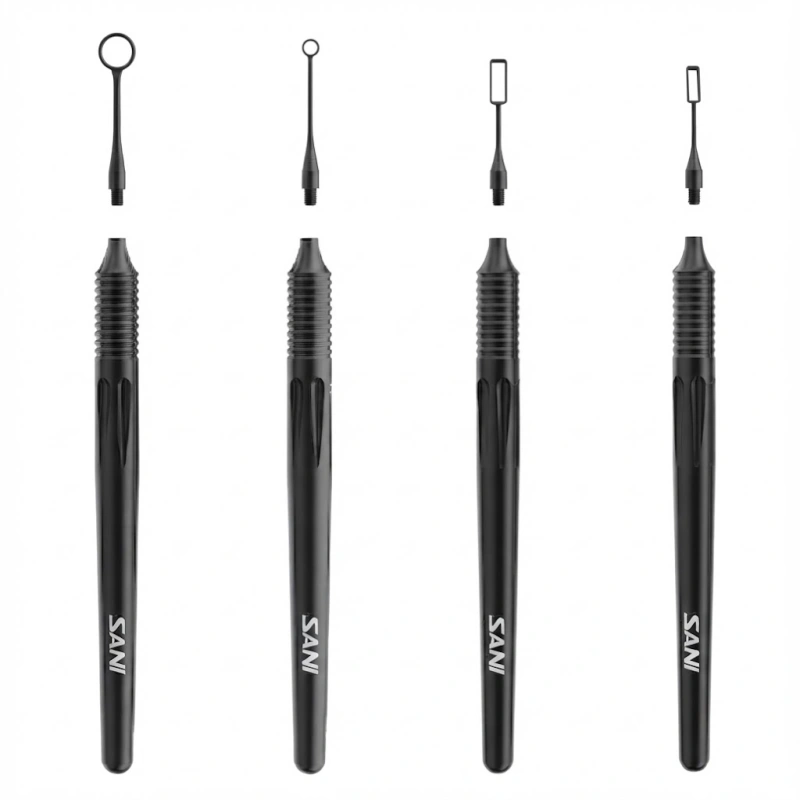
SANI MICRRO MIRROR (4 PIEACE SET )
SANI GP CORRECTOR
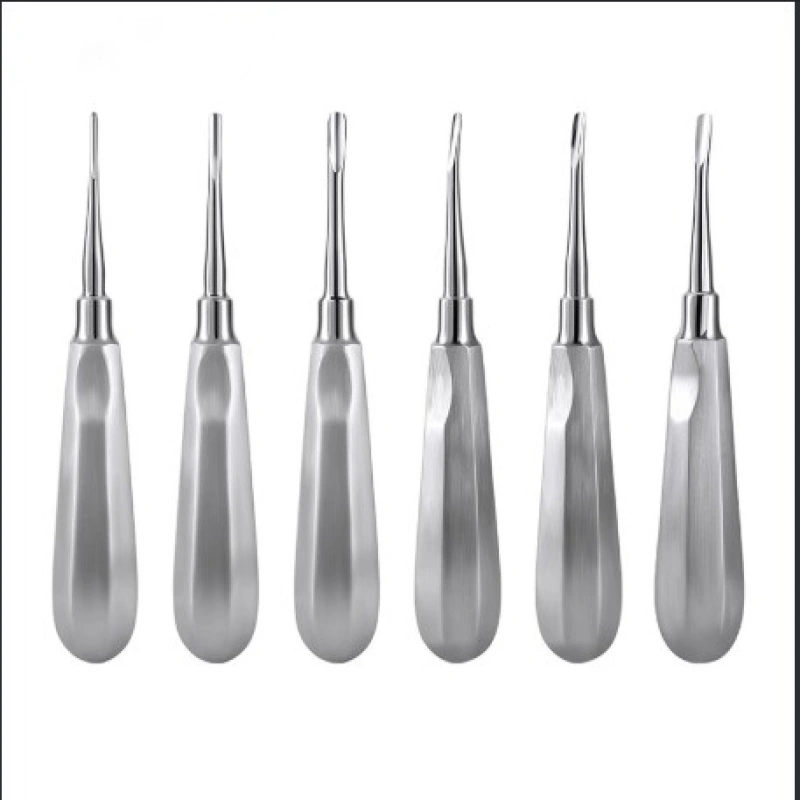
ELEVATOR ( ALL SIZE AVAILABLE )
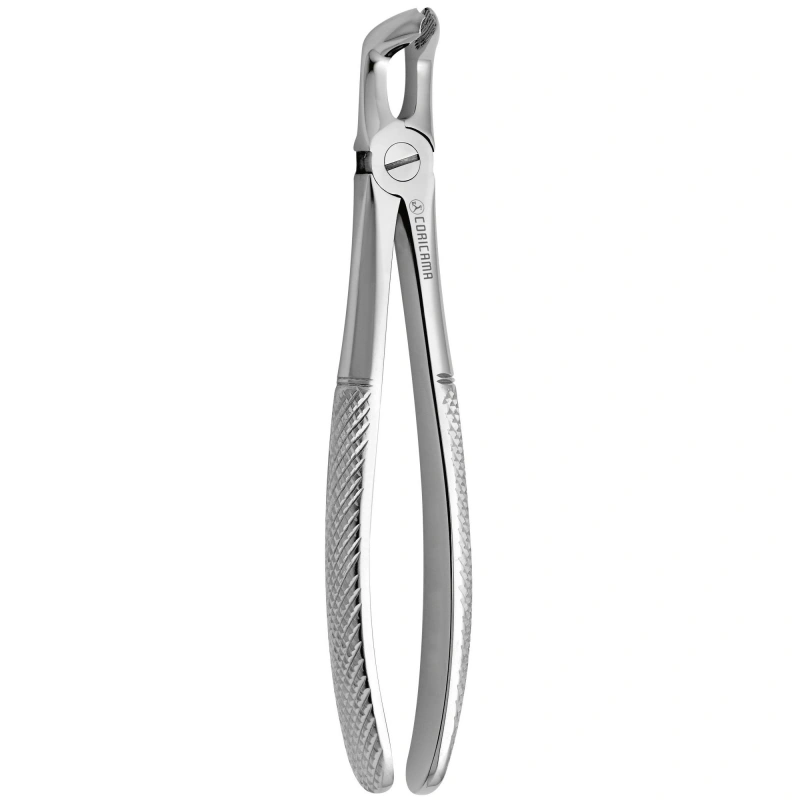
DENTAL EXTYRACTION FORCEP
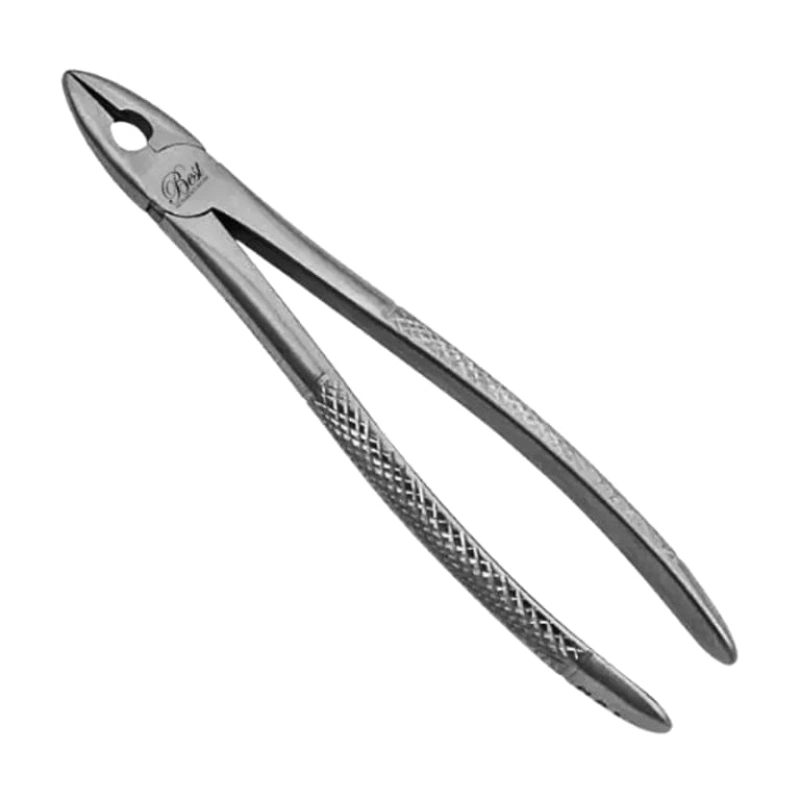
DENTAL EXTRACTIONS FORCEP
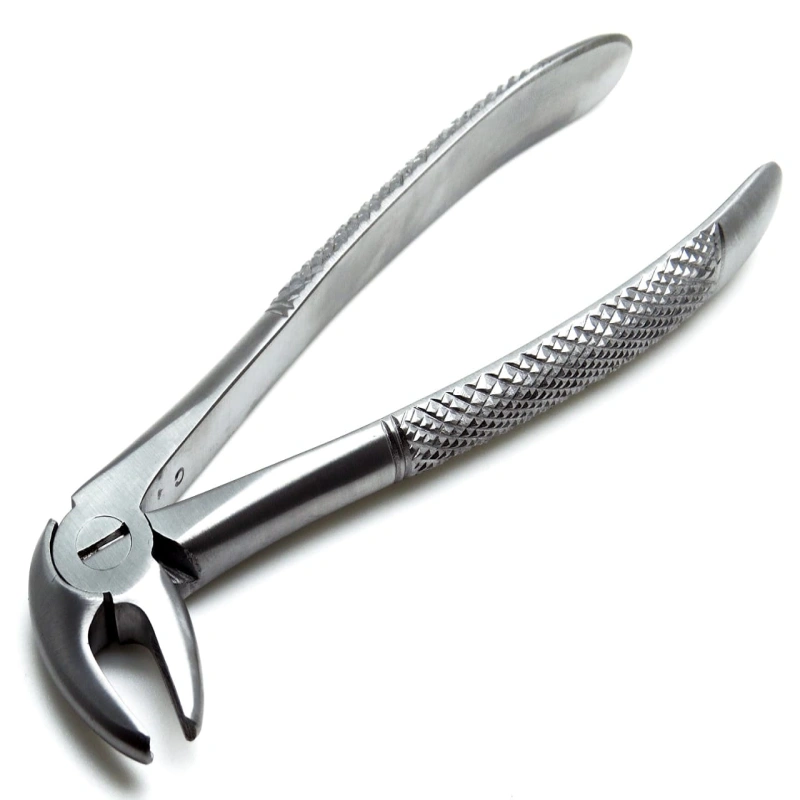
Dental Extraction forcep
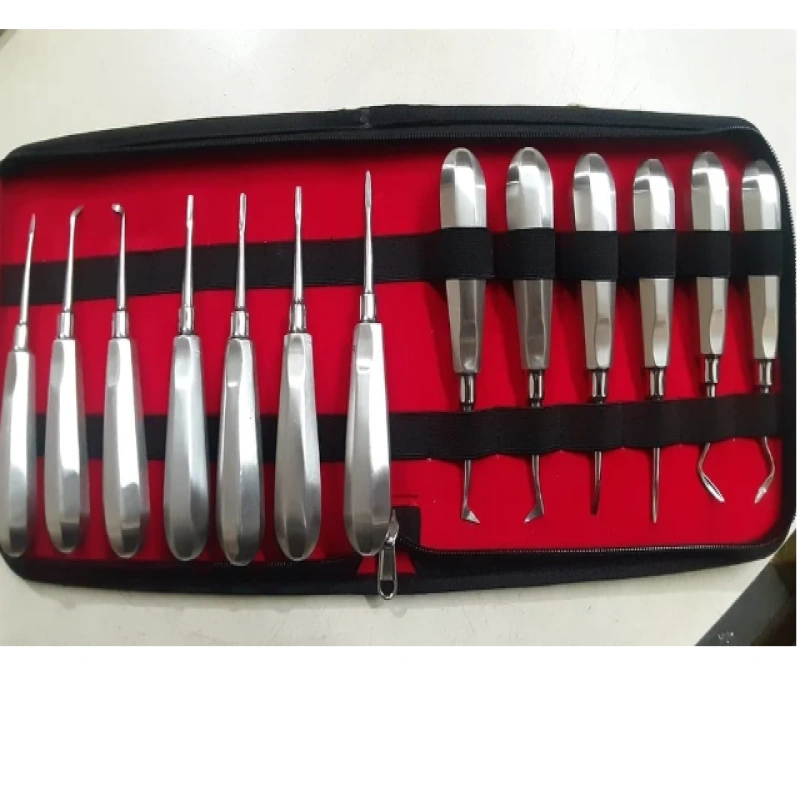
Dental Elevator premium set
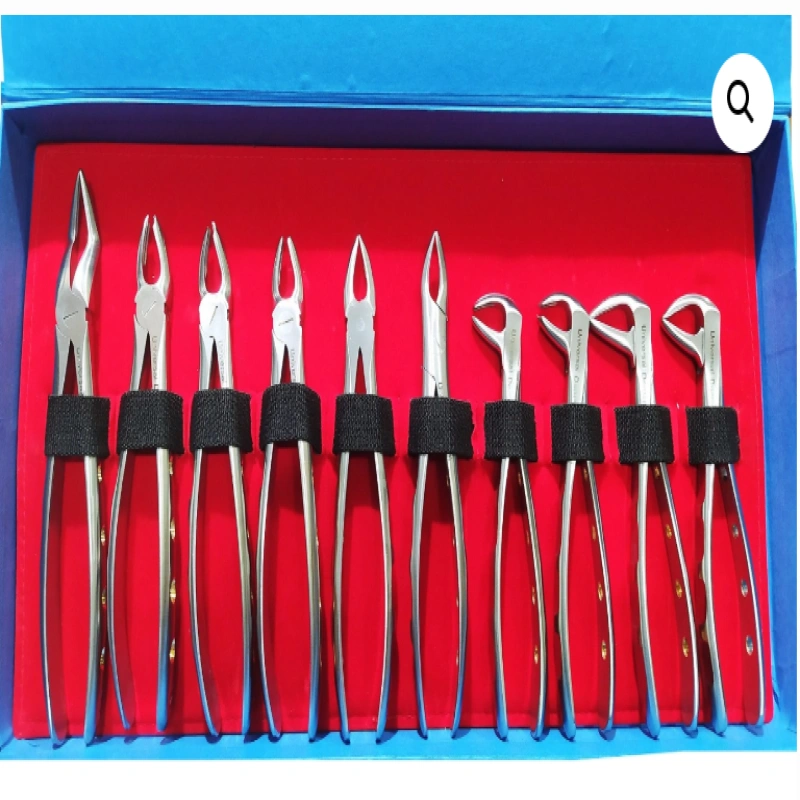
DENTAL EXTRACTION FORCEP PREMIUM SET
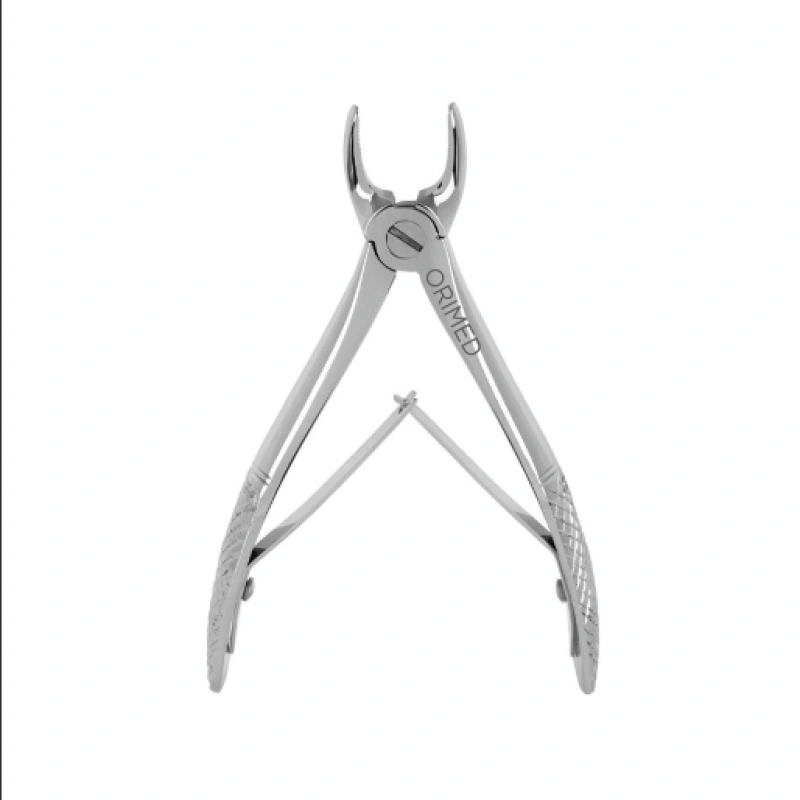
FORCEP PREMOLAR BABY
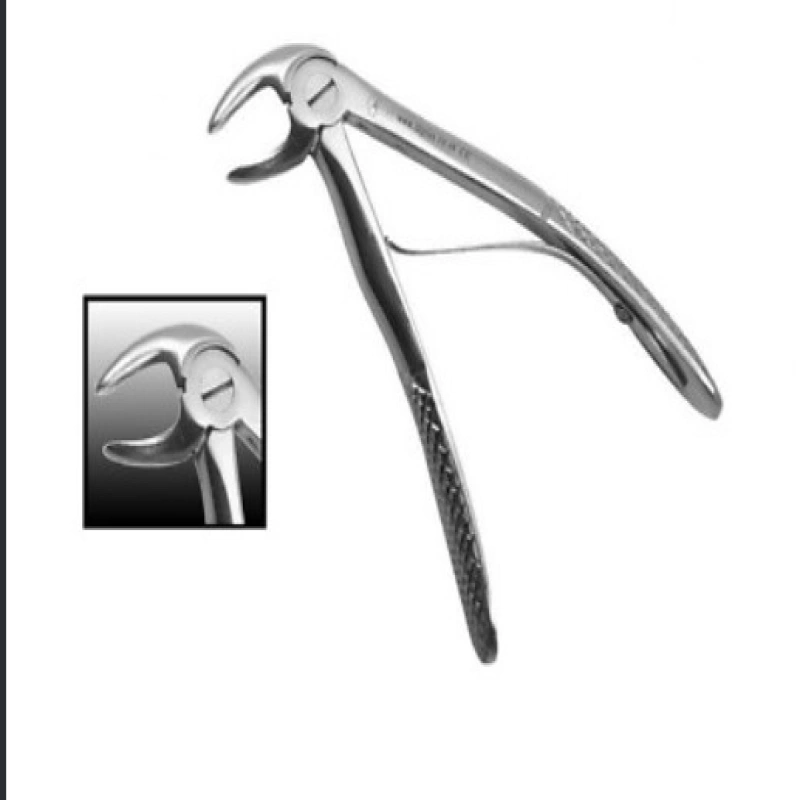
FORCEP THIRD MOLER EXTRACTION BABY
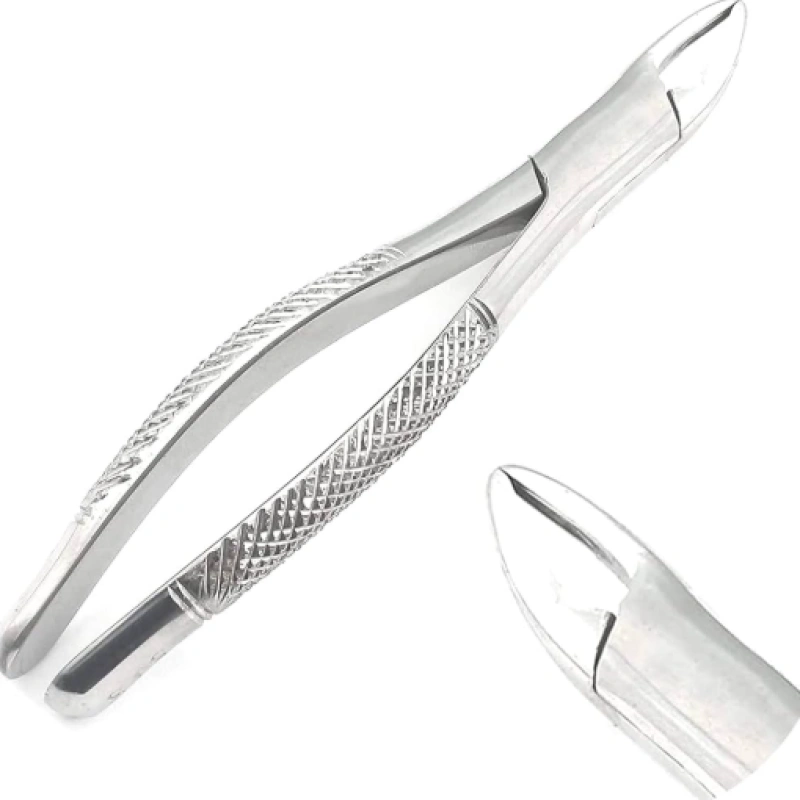
FORCEP EXTRACTION BABY