
Dental Extraction forcep
Description
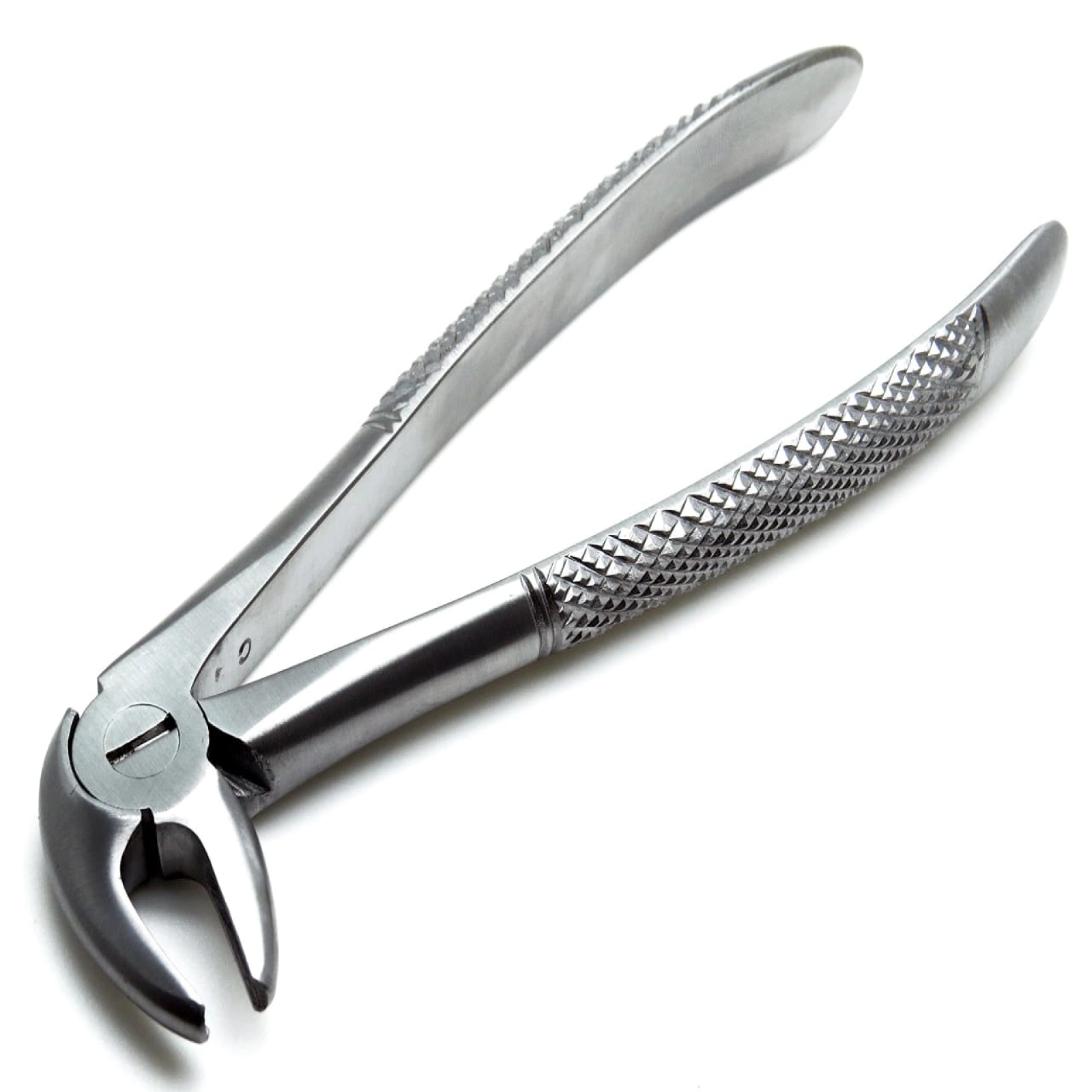
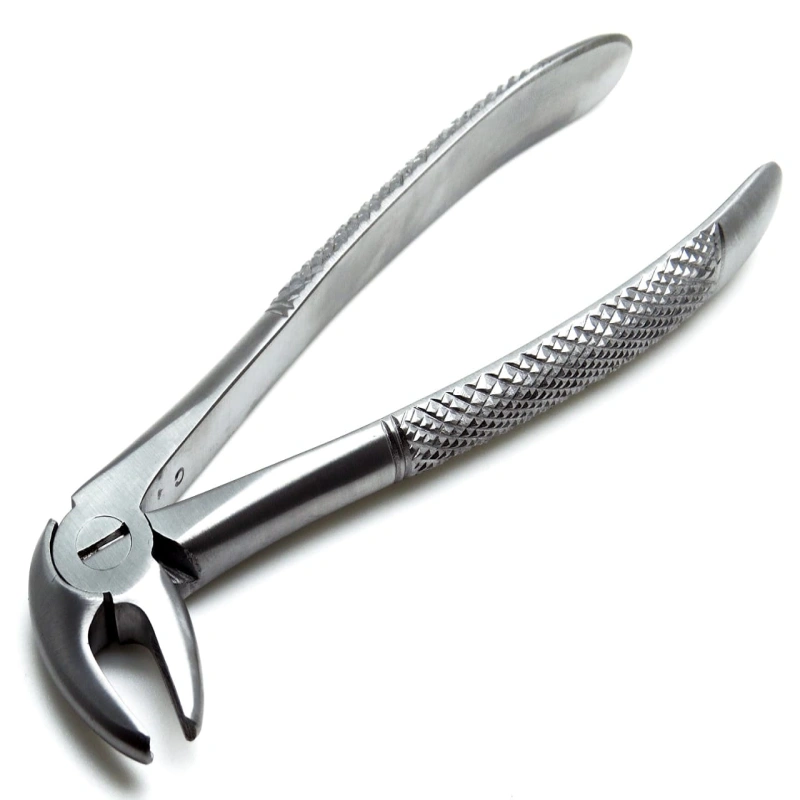
Dental extraction forceps are specialized surgical instruments designed to grip, hold, and remove teeth or root fragments from the alveolar socket after the surrounding periodontal ligament has been severed or loosened. Each design is contoured to match specific tooth anatomy, root configuration, and location in the mouth.
Key Structural Anatomy
Beaks: The working tips tailored to fit the cervical neck or root surface of specific teeth. They can be smooth or serrated for improved friction and grip.
Hinge (Joint): Connects the handle to the beaks and transfers hand force directly to the working tips.
Handles: Textured or serrated stainless steel grips that provide tactile feedback, leverage, and secure hand placement during extraction.
Material: Constructed from high-grade, autoclavable surgical stainless steel that is resistant to corrosion.
Maxillary (Upper) Forceps
Upper Universal / Premolar Forceps: Feature slightly curved beak tips aligned parallel to the handle axis, designed for upper anterior teeth and bicuspids.
Upper Anteriors (Straight): Designed with completely straight handles and beaks to easily align with upper central incisors, lateral incisors, and canines.
Upper Molar Forceps (Left & Right): Asymmetrical beak design—one side features a smooth, broad blade to fit the palatal root, while the other features a pointed beak to engage the buccal bifurcation.
Upper Cowhorn / Bayonet Forceps: Slender, parallel-curved tips resembling a bayonet, used to access upper third molars or isolated upper root fragments.
Mandibular (Lower) Forceps
Lower Universal / Premolar Forceps: Feature a right-angle (90°) bend between the handle and beaks to access lower incisors, canines, and premolars comfortably.
Lower Molar Forceps (Standard): Symmetrical, pointed beak tips on both sides designed to engage the buccal and lingual bifurcations of lower two-rooted molars.
Lower Cowhorn Forceps (#23): Deep, hook-like pointed tips that wedge into the bifurcation of lower molars, using a squeeze-and-rock motion to elevate the tooth.
Lower Root Forceps: Narrow, opposing beaks that meet at the tip to grasp broken-down lower root fragments or slender incisors.
Related Product
Sani Condensor
SANI MICRRO MIRROR (4 PIEACE SET )
SANI GP CORRECTOR
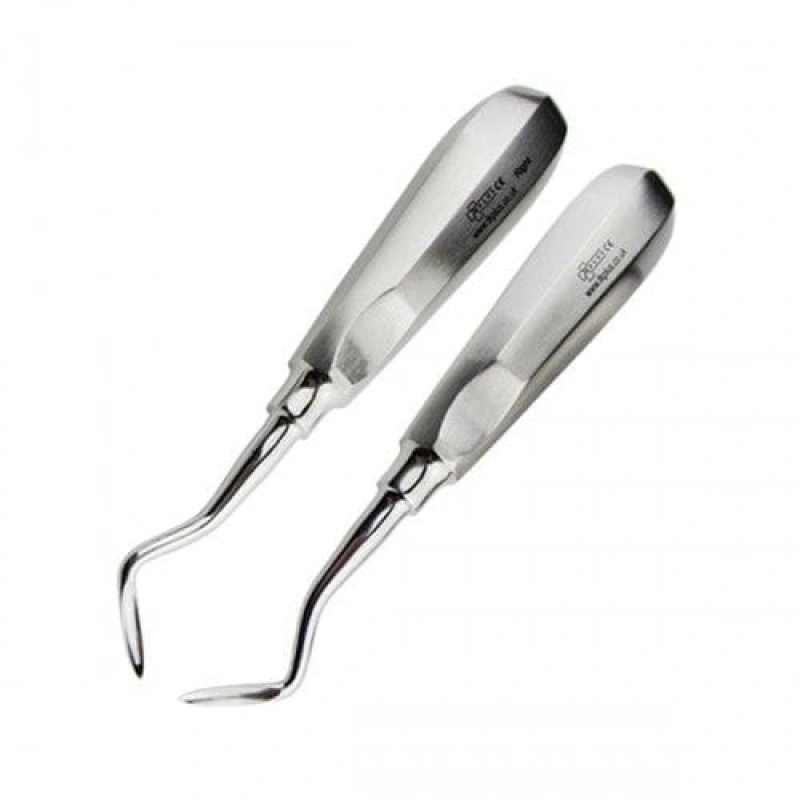
- Save 5%
DENTAL ROOT TIP ELEVATOR (L) (R)
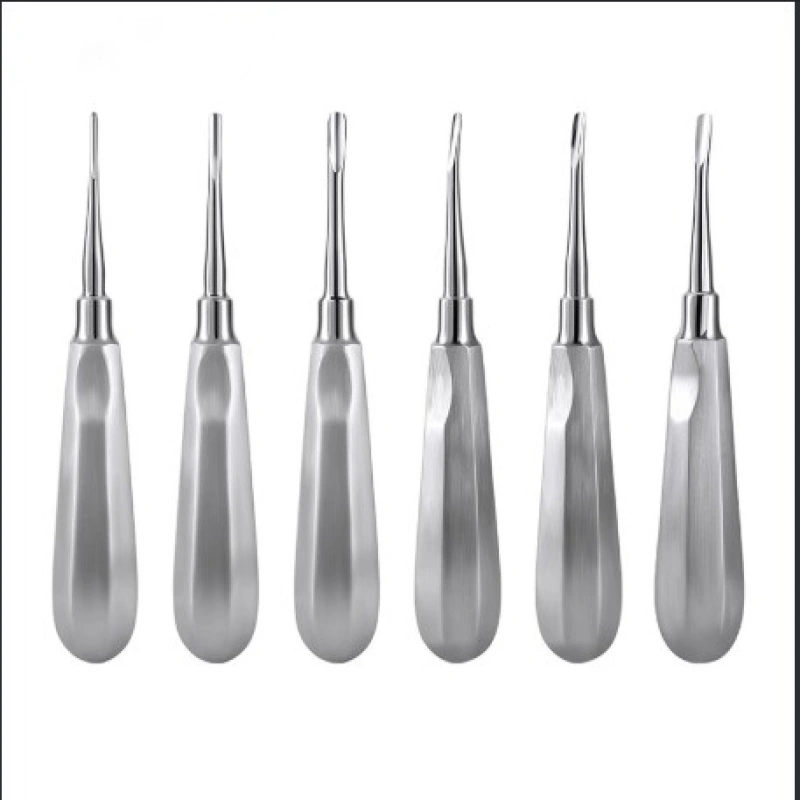
ELEVATOR ( ALL SIZE AVAILABLE )
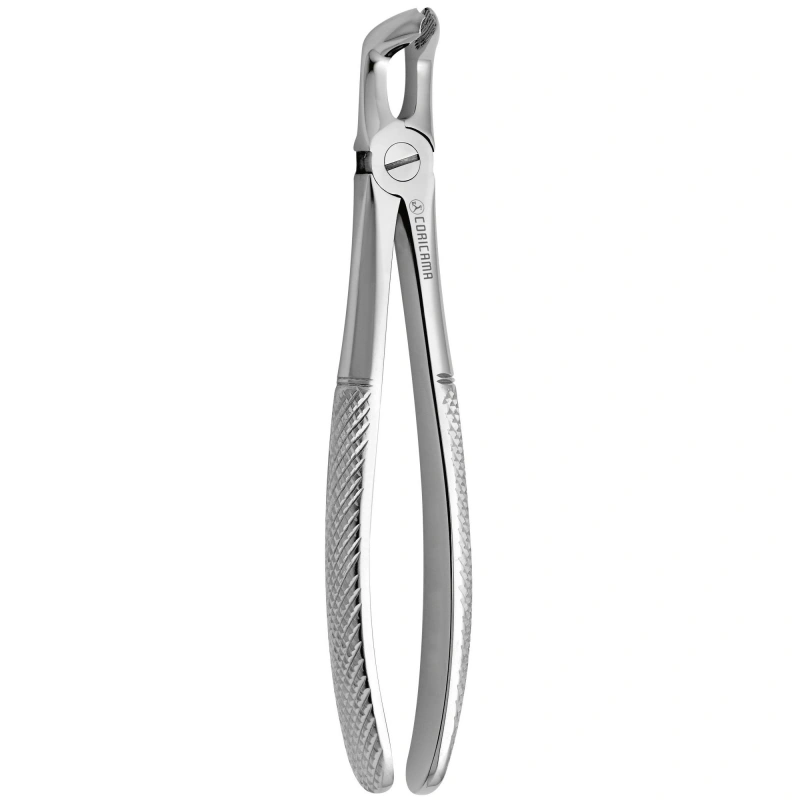
DENTAL EXTYRACTION FORCEP
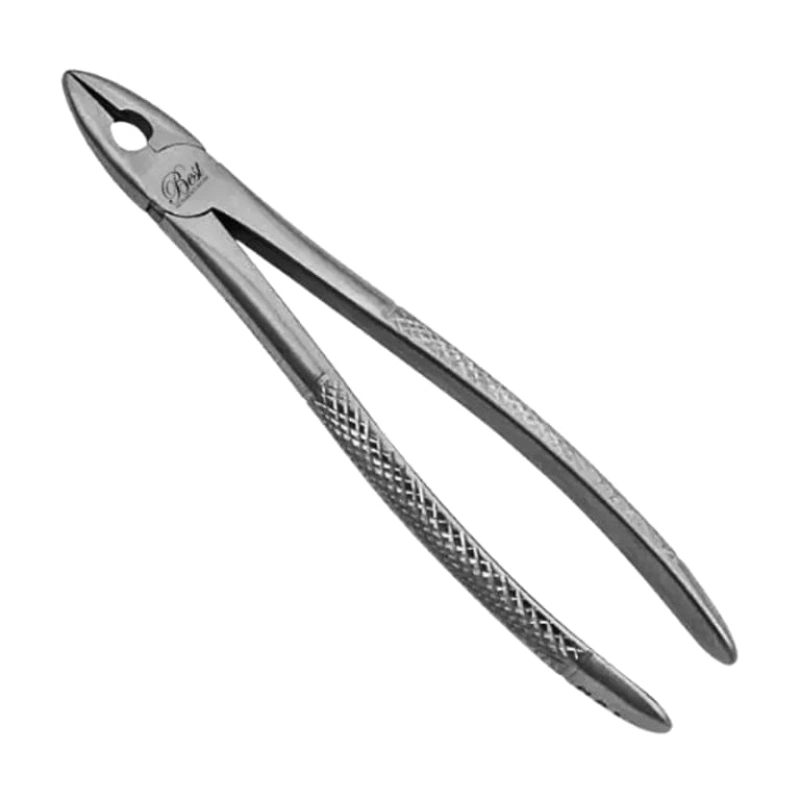
DENTAL EXTRACTIONS FORCEP
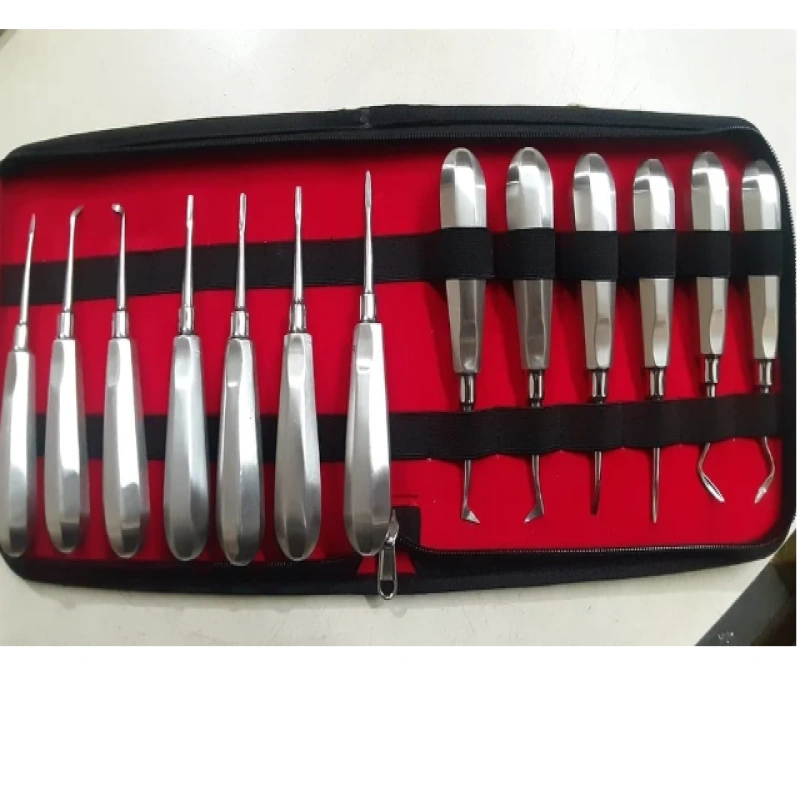
Dental Elevator premium set
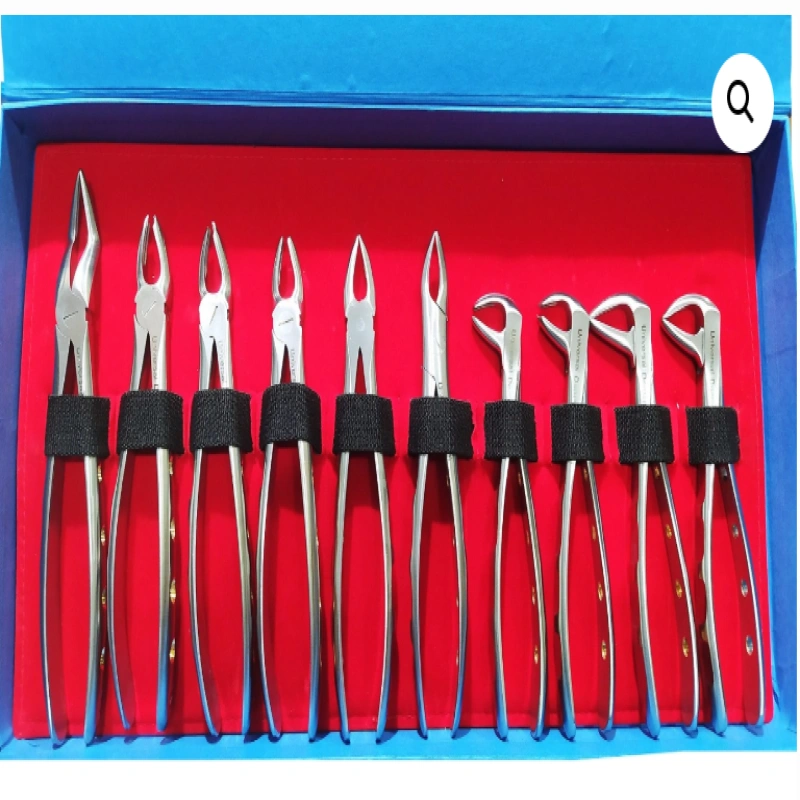
DENTAL EXTRACTION FORCEP PREMIUM SET
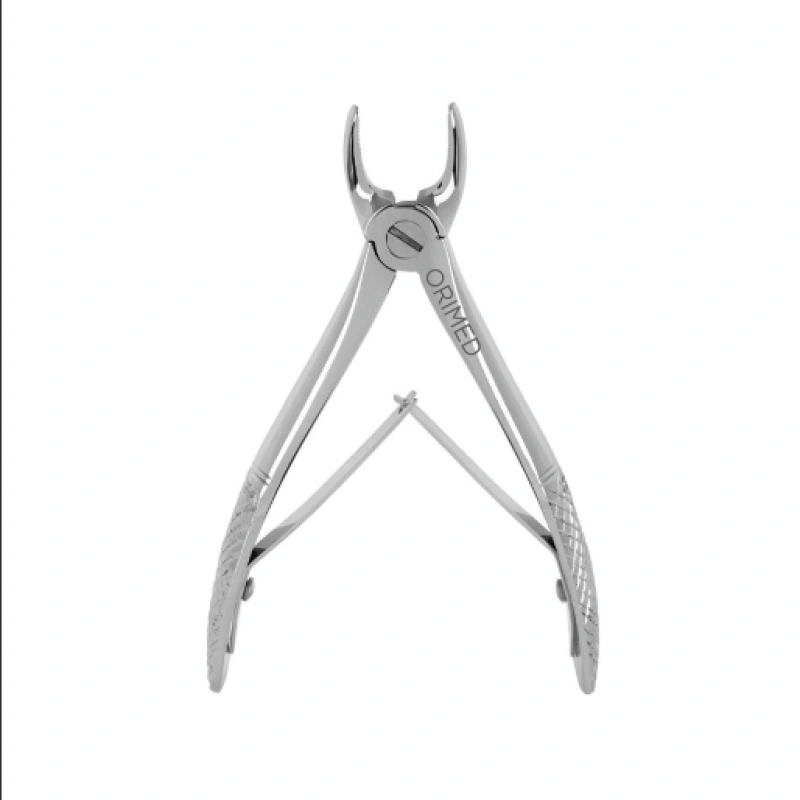
FORCEP PREMOLAR BABY
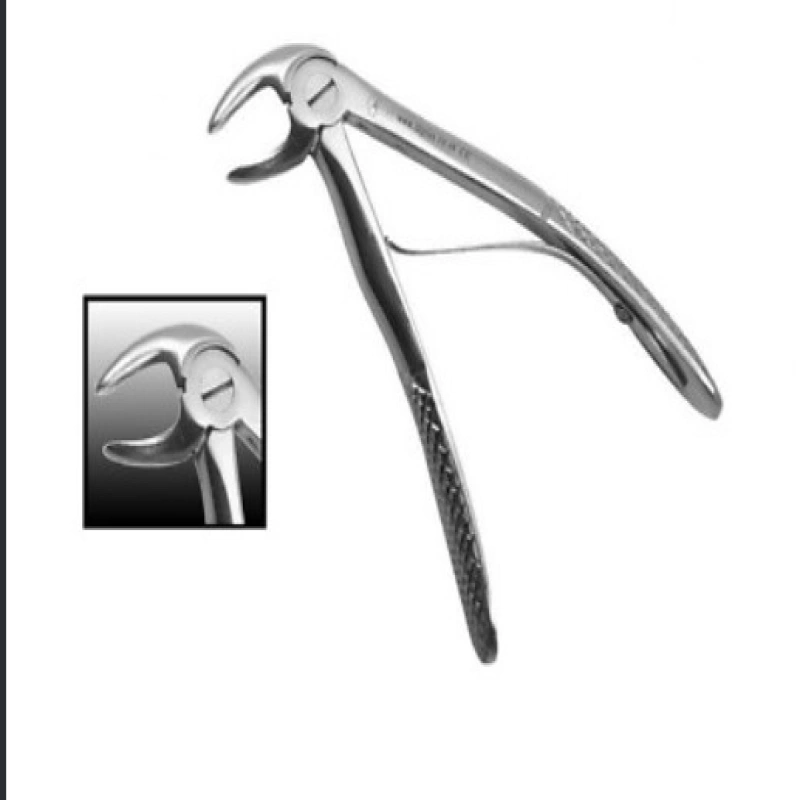
FORCEP THIRD MOLER EXTRACTION BABY
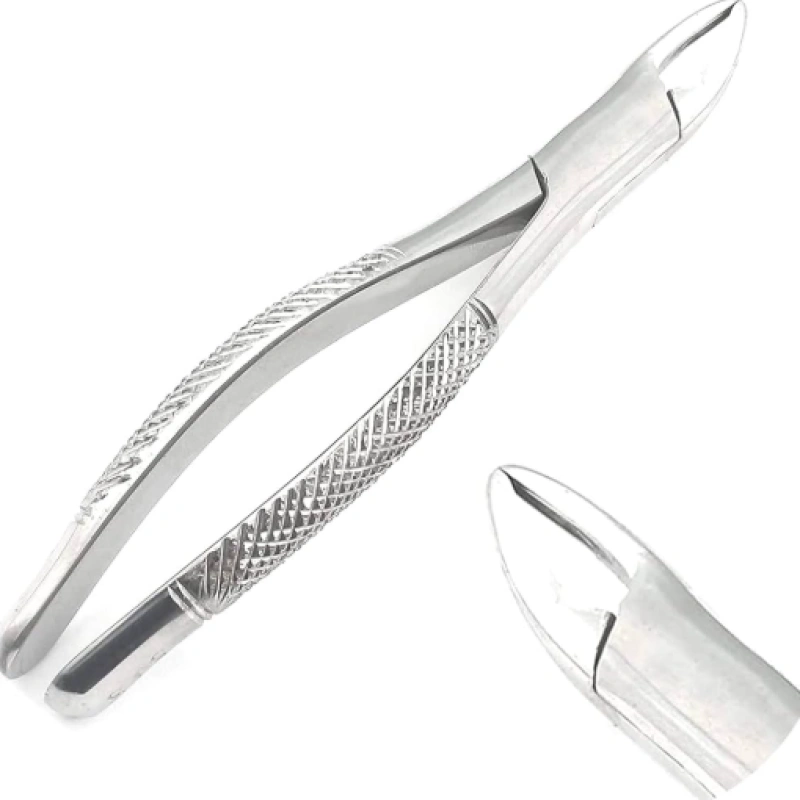
FORCEP EXTRACTION BABY